Recipe Generator by Ingredients: How to Cook Healthy Meals With What You Have
A recipe generator by ingredients allows you to input whatever random foods you have in your fridge and pantry—such as leftover chicken, eggs, rice, and spinach—and instantly produces a customized, step-by-step recipe. Modern AI generators like NoChefAI calculate exact USDA macro targets, optimize cooking times, and eliminate unnecessary grocery runs.
It is 7:30 PM on a Tuesday. You open your refrigerator door, stare into the illuminated shelves for three full minutes, and sigh.
You see half an onion, two chicken thighs, three eggs, a half-empty tub of Greek yogurt, and a lonely bell pepper. You don't feel like grocery shopping, you don't want to spend $35 on food delivery apps, and you don't want to eat dry unseasoned scrambled eggs for the fourth night in a row.
This daily kitchen paralysis is the exact problem that a recipe generator by ingredients solves. But there is a massive difference between static recipe search engines from the 2010s and modern, intelligent AI Sous-Chefs.
The Failure of Legacy Recipe Search Sites
For years, websites promised that you could "search by ingredient." Yet almost anyone who tried them encountered the exact same frustration:
- The 10-Ingredient Trap: You enter 3 ingredients you have, and the site returns a recipe requiring 14 ingredients—including obscure specialty items like star anise, black truffle oil, or preserved lemons you do not own.
- The SEO Novel Problem: To reach the recipe steps, you must scroll past 4,000 words of life stories, childhood anecdotes, and 27 video advertisements that crash your mobile browser.
- Zero Macro Awareness: If you are tracking protein, managing diabetes, or doing intermittent fasting, legacy recipe blogs provide zero reliable nutritional breakdown.
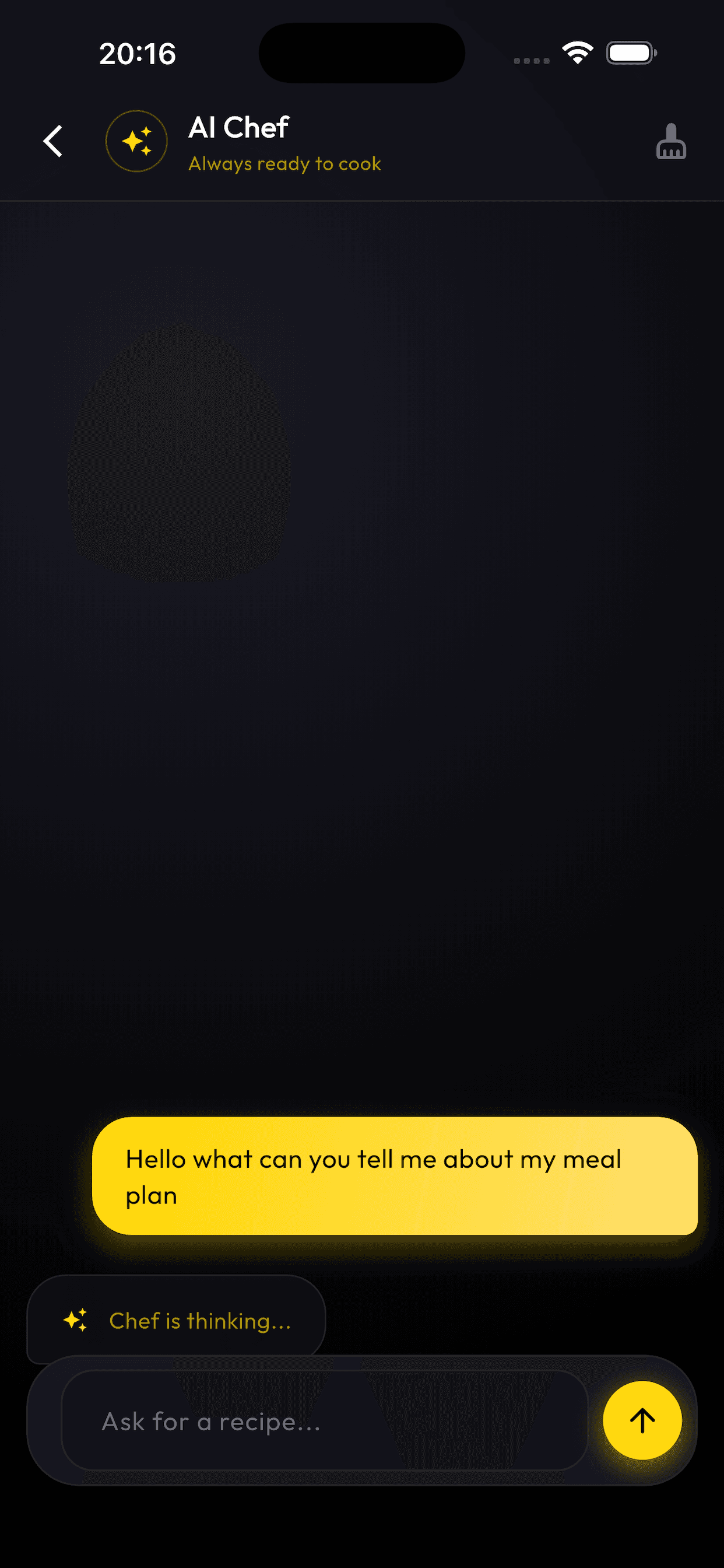
NoChefAI's AI Sous Chef analyzes your available pantry items and generates recipes strictly using what you have.
The Culinary Science of Cooking With What You Have
Professional chefs rarely cook from static recipe cards. Instead, culinary masters use an internal mental framework based on four universal flavor pillars (immortalized by chef Samin Nosrat):
1. The Salt Anchor
Salt enhances flavor by suppressing bitterness and accentuating natural sweetness. If your random fridge ingredients taste flat, they are almost never lacking complexity—they are lacking salinity. Beyond table salt, look for salty pantry staples: soy sauce, parmesan rind, miso paste, fish sauce, or capers.
2. The Fat Vehicle
Fat delivers aroma molecules across your palate and creates satiety. Olive oil, butter, sesame oil, coconut milk, or avocado grease carry heat and emulsify sauces, turning disconnected ingredients into a cohesive dish.
3. The Acid Contrast
Acid provides brightness, cuts through heavy fat, and balances rich proteins. If a stir-fry or stew feels muddy, a splash of apple cider vinegar, a squeeze of fresh lemon, or a spoonful of tomato paste instantly wakes up the entire dish.
4. The Heat Transformation
Heat triggers the Maillard reaction—the chemical reaction between amino acids and reducing sugars that creates the deep, savory browning on seared chicken, roasted broccoli, or caramelized onions.
The 3-Step Pantry-to-Plate Framework
Whenever you need to assemble a healthy meal with no recipe, use this formula:
- Identify Your Protein Core (25–40g): Eggs, chicken breast, canned tuna, tofu, lentils, or cottage cheese.
- Select Your Fibrous Bulk: Frozen peas, broccoli florets, spinach, bell peppers, or shredded cabbage.
- Choose Your Flavor Axis:
- Mediterranean Axis: Olive oil, garlic, lemon juice, oregano, salt.
- East Asian Axis: Soy sauce, sesame oil, ginger, chili flakes, garlic.
- Latin American Axis: Cumin, lime juice, cilantro, smoked paprika, olive oil.
Why General Chatbots (ChatGPT) Fail in the Kitchen
Many home cooks attempt to use ChatGPT or Claude as recipe generators. While language models can draft impressive-sounding menus, they lack physical context.
As detailed in our breakdown of why ChatGPT is terrible at meal planning, generic LLMs suffer from hallucinatory culinary drift. They will confidently tell you to make a frittata with ingredients you specifically said you didn't have, and hallucinate nutritional calculations.
A specialized AI recipe assistant must be tethered to your digital pantry inventory. It knows your exact pantry state, checks expiration dates, and pulls verified nutritional facts directly from the USDA FoodData Central database.
Frequently Asked Questions
How do I stop throwing away food every week?
Implement a digital pantry strategy using FIFO (First-In, First-Out). Keep your perishable proteins and vegetables at eye level in your fridge, and use NoChefAI to scan items into your pantry database so the AI alerts you to cook expiring items before they spoil.
Can I generate high-protein meals with vegetarian pantry staples?
Yes. Combining complementary plant proteins—such as lentils with brown rice, or edamame with quinoa and hemp hearts—provides complete amino acid profiles while hitting 30g+ protein per serving without meat.
Try the AI Sous Chef on iPhone
Turn whatever is in your fridge into macro-balanced, delicious meals in 60 seconds.
Download NoChefAI Free on the App Store